
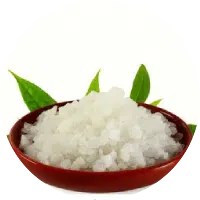
• Potent anti-inflammatory
• Accelerates the healing process of burn wounds
• Efficacy better than 1% silver sulfadiazine cream²

• Anti-microbial (prevents infection of open wounds)
• Speedy reduction of size, pain, tenderness, smell, swelling, discharge, burning / itching sensation, and colour of the wound
• Improves skin’s defence mechanism
• Analgesic, anti-inflammatory
• Anti-septic
• Cooling
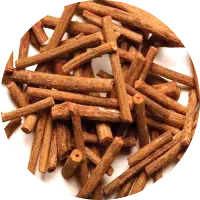
• Astringent, antibacterial, antiallergic, anti-inflammatory and antiseptic
• Expedites epithelisation of wounds and regeneration of skin layers

• Cooling & soothing effect
• Anti-inflammatory

• Anti-septic action
• Hastens wound healing
• Anti-inflammatory & Nociceptive; inhibits IL-1, IL-6, IL-8, TNF-, TGF-
• Astringency helps in less secretion of serum, less scar formation and sound healing of burn wounds.
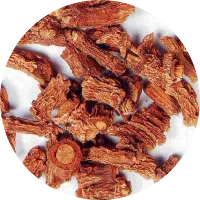
• Cooling & Anti-inflammatory
• Faster wound contraction.”
• Aids Skin detoxification
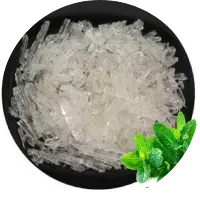
• Cooling & soothing
• Anti-inflammatory”
• Exhibits wound cleansing and healing
• Its ingredients have antibacterial, anti-inflammatory and analgesic properties
• Recommended for the healing of wounds (API 2008, 2017) such as fistula, sinuses, burns, chronic non-healing ulcers and injuries caused by instruments, teeth and nails
• Accelerates collagen fiber deposition, TGF-b1 expression, and re-epithelialization
• Heals burns effectively as comparable to silver sulfadiazine

• Helps remove wound debris by eliminating slough and necrotic tissue
• Reduces pain, discharge, redness, burning sensation, and itching
• Its ingredients have local analgesic, anti-inflammatory and anti-infective effects
• Enhances epithelisation
• Provides moisture to the wound; hence, the scab falls quickly without pain and residual damage

• Exerts antimicrobial action by reducing the microbial load and antiseptic action by controlling local infection.
• Reduces slough, discharge and malodor
• Offers actions like anti-inflammatory, immunomodulatory, antioxidant, wound cleansing, etc
• Its astringent property effectively reduces the surface area and depth of the wound
• Highly effective in diabetic and chronic non-healing wounds

• Influence metalloproteinase activities that cleave propeptides of procollagen molecules and prompt the rate of collagen synthesis
• Improves angiogenesis, connective tissue and cellular proliferation through alkaline phosphatase, RNA and DNA polymerases, and metalloproteinases
• Increases wound contraction and tensile strength
• Decreases period of re-epithelization and scar formation
• Recommended in diabetic and chronic wounds

• Regulates inflammation phase by reducing cytokines like IL-1ẞ, IL-6, TNFa, and pain factors like PGE2, COX-2, and LOX
• Accelerates proliferative phase by stimulating Fibroblast Growth Factor (FGF) and Vascular Endothelial Growth Factor (VEGF).
• Improves granulation tissue formation by increasing hydroxyproline and collagen content
• Helps in remodelling by increasing collagen matrix and glycosaminoglycan synthesis
• Improves wound contraction and closure by increasing collagen crosslinking, tensile strength and epithelialisation

• Reduces acute inflammation
• Promotes angiogenesis through neovascularisation and up-regulation of FGF, VEGF and TGF-ẞ gene expression levels
• Accelerates fibroblast maturation and collagen deposition
• Balances remodelling dynamics by modulating myofibroblast activity during the early and late phases of the healing to bring appropriate contraction without excessive collagen deposition and scar/keloid formation
• Enhances wound closure by epidermal and keratin layer formation
• Show local antimicrobial, anti-inflammatory and antioxidant actions
• Increase collagen and hydroxyproline content during granulation tissue formation

• Influence metalloproteinase activities that cleave propeptides of procollagen molecules and prompt the rate of collagen synthesis
• Improves angiogenesis, connective tissue and cellular proliferation through alkaline phosphatase, RNA and DNA polymerases, and metalloproteinases
• Increases wound contraction and tensile strength
• Decreases period of re-epithelization and scar formation
• Recommended in diabetic and chronic wounds